
How to Check and Maintain Your Motorcycle Chain and Sprockets
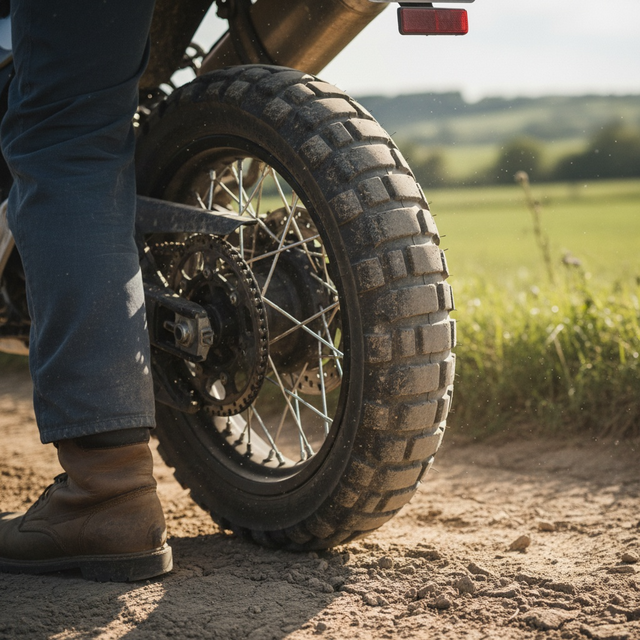
Your chain and sprockets are like the unsung heroes of your drivetrain. They take a daily hammering, fling a bit of lube onto your leg, and quietly transfer all that engine grunt to the rear wheel. Look after them, and they’ll reward you with smoother rides, longer lifespan, and fewer unexpected “walks of shame” home.
Let’s break it down – no faff, no fluff, just solid advice from riders who’ve been there, tensioned that.
1. Why Chain Maintenance Matters
A neglected chain doesn’t just look rough – it affects your throttle response, handling, and safety. A slack chain can jump teeth or even come off. A dry one wears out fast. And an over-tight chain can knack your gearbox output bearing.
Keeping things clean, lubed and tensioned isn’t just good practice – it’s what keeps your ride running sweet.
2. How to Check Chain Tension
- Find the tight spot: Rotate the wheel and find where the chain is at its tightest – that’s your measuring point.
- How much slack? Your manual will give you the exact figure, but most bikes run best with 20–30mm (about a finger’s width) of vertical movement midway between the sprockets.
- Too loose: The chain could jump or slap around.
- Too tight: Adds stress to your sprockets and gearbox.
Top Tip: Always check chain slack with the bike on the side stand (unless your manual says otherwise) and no one sitting on it.
3. Adjusting Your Chain
- Loosen the rear axle nut.
- Use the adjuster bolts on each side of the swingarm.
- Turn both adjusters equally – use the marks or measure from the swingarm pivot to the axle to make sure things stay aligned.
- Recheck the slack, then tighten the axle nut back up to torque spec.
And don’t forget: Re-tighten those adjuster bolts too.
4. Cleaning Your Chain
- What to use: A proper chain cleaner or paraffin (never petrol). A grunge brush works wonders.
- How often: Every 500-700 miles, or after a wet/mucky ride.
- How to do it: Spray, brush, rinse, dry – don’t forget the sprockets too.
5. Lubing Your Chain
- How often: Every 300–600 miles, and after cleaning or getting caught in the rain.
- Best time to lube: After a ride, when the chain’s warm and the lube can soak in.
- How to apply: Spray on the inside of the chain while slowly turning the wheel. Give it a few minutes to set before riding.
Avoid over-lubing – it just flings muck everywhere and attracts grit.
6. Inspecting Your Sprockets
- Signs of wear: Hooked teeth, shark fin shapes, sharp points.
- Wobble or play: Especially on the front sprocket – could be a sign of wear or loose fit.
- Chain sitting weirdly: If the chain doesn’t sit evenly or skips – you might be due a full replacement.
Rule of thumb: If you're changing a worn chain, change the sprockets too. They wear as a set.
7. Chain Life and When to Replace
- Measure stretch: A chain tool or a ruler can help check elongation.
- Frozen links, tight spots, rust, noise: All signs it’s time for a new one.
- Typical lifespan: Between 15,000 and 30,000km depending on riding style and maintenance.
Final Thoughts: Keep It Tight (But Not Too Tight)
A good chain setup keeps your ride smooth, your throttle response crisp, and your peace of mind intact. Regular checks mean fewer surprises and more confidence to push on, whether you’re blasting twisties or crawling through traffic.
Got a go-to chain lube or a secret cleaning method (WD-40 debate incoming)? Stick around – we talk bikes, bodges, and biscuits.