Ducati 049 Build: Part 2 – Trust, Boxes, and the Cagiva Connection
Well, we’ve done it – after a bit of online dodging and weaving, we’ve finally picked up our base bike for the Ducati 049 project. And the winner is… a 1997 Cagiva Prima 50.
This wasn’t exactly a smooth ride. The first two bikes we tried to buy looked promising – but when the sellers got cagey, we got suspicious. Classic red flags: vague answers, no clear location, and requests to “pay a deposit” before viewing. Nah, not today. Thankfully, third time lucky – we found a cracking seller who turned out to be a proper Cagiva enthusiast, clearly as passionate about these little Italian machines as we are.
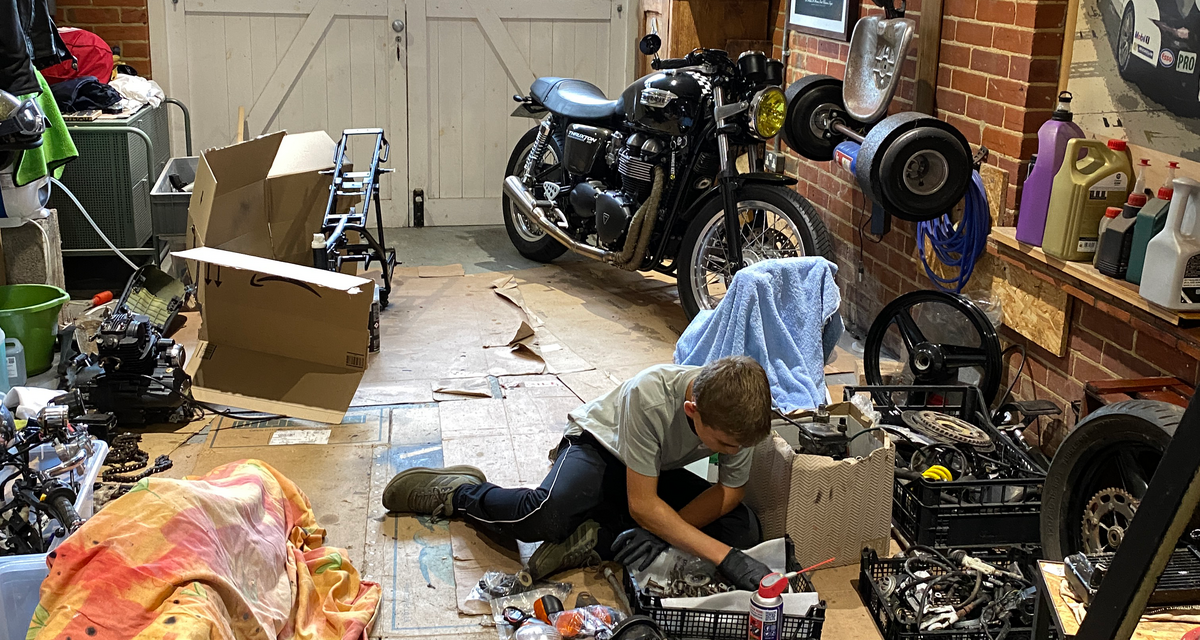
There was just one slight catch: the bike was in bits. Not “needs a little TLC” bits… we mean full box job. Frame in one pile, forks in another, and the rest spread across what looked like a Tetris game played with engine parts and panels. No wheels on the wagon – because the wheels were also in boxes. So, with a bit of a leap of faith (and a friendly handshake), we took the plunge and brought it all home.
Now we’re neck-deep in zip bags, bolts, and a lot of “what even is that?” moments. But that’s part of the fun, right? Rebuilding from the ground up gives us the freedom to do this properly – to bring the Ducati 049 to life with care and character, and teach my lad everything from identifying a piston ring to the importance of labelling parts before you chuck them in a box (lesson learned).
The Cagiva Legacy: Small Bikes, Big Influence
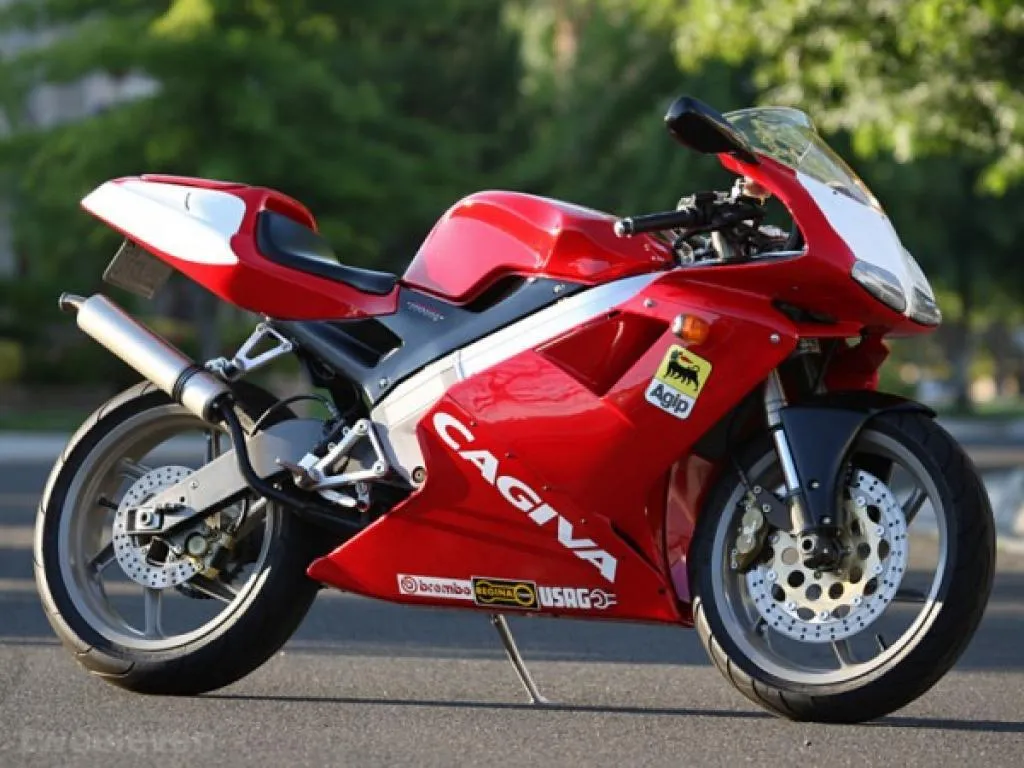
Choosing a Cagiva as the base wasn’t just a random pick – there’s real heritage here. In the 1990s, Cagiva was one of Italy’s most exciting bike manufacturers, punching well above its weight in both road and race scenes. And at the time we’re talking about? Cagiva didn’t just make bikes – they owned Ducati.
Cagiva bought Ducati in the mid-80s, and during the 90s, the synergy between the two brands helped shape some of the most iconic bikes ever built. The legendary Cagiva Mito, for example, was styled by none other than Massimo Tamburini – the same design genius behind the Ducati 916 and 996. You can see it instantly: the sharp fairings, the aggressive tail, the purposeful stance. The DNA of Ducati’s greatest hits runs straight through the Mito – and now, through our Prima.
The Prima 50 might not have had the outright performance of the Mito 125, but it carried that same Italian flair and focus on design. With a 49cc two-stroke engine, it was built to be learner-friendly while still looking the business. Under Cagiva’s watch, even the smaller bikes had style – no bland commuter plastics here. These bikes were mini exotica, and in the hands of the right tinkerer, they could be transformed into something very special.
So, what better platform to build our mini 996 on? It’s got the history, the pedigree, and – in theory – most of the parts. Now it’s time to get stuck in, see what’s missing, and start turning this pile of promise into the Ducati 049.
Next time, we’ll start sorting through the spares, identifying what’s reusable, and beginning the frame prep. Spoiler alert: there will be rust, some swearing, and probably another box or two we forgot about.
Stay tuned – and remember: if it ain’t rattling, is it even running? READ part 3 – Chasing The Single Sided Swingarm Dream