Honda CB750 Hornet Buyers Guide 2025
Why the Honda CB750 Hornet Matters (Especially in the UK)
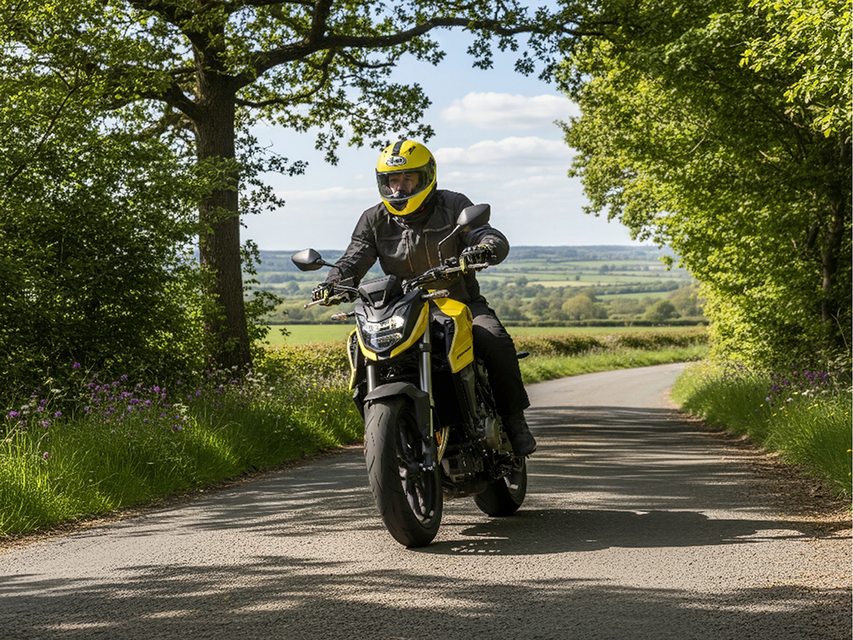
The reborn Honda CB750 Hornet hit the UK like a wasp at a picnic – everywhere at once, buzzing loudly, and impossible to ignore. With its punchy 755cc parallel twin, lightweight chassis and proper Honda refinement, it’s become one of the best-value middleweights on the market.
UK riders love it because it nails real-world riding: light enough for city filtering, grunty enough for Sunday blasts, and comfy enough for those “accidentally took the long way home” commutes. It’s proper fun without requiring licence-losing silliness.
What It’s Like to Live With
The Hornet is one of those bikes that feels immediately familiar – like swinging a leg over a mate’s bike and instantly thinking, “Yep… this’ll do nicely.” Smooth throttle, playful handling, and a soundtrack that encourages the occasional B-road detour. It’s the sort of bike you clean on a Saturday morning, ride all weekend, and forget to clean for the next two months. It forgives you.
Who It Suits
- Riders stepping up from 500 – 650cc machines
- A2 licence holders (with restriction) wanting a proper “first big bike”
- Commuters needing an efficient, agile daily
- Weekend warriors who love twisty B-roads
- Riders who want big-bike performance without big-bike weight
Who It Doesn’t Suit (As Much)
- Long-distance tourers wanting more wind protection
- Very tall riders after adventure-bike ergonomics
- Track-focused riders chasing supersport precision
A2 Licence Info
The CB750 Hornet can be restricted to 35 kW, giving newer riders a brilliant stepping stone. It’s smooth, predictable and friendly – and when you eventually remove the restrictor, the full-power punch is a nice upgrade without being overwhelming.
Impartial Review
Key Specs (Typical UK Honda CB750 Hornet)
| Specification | Detail |
|---|---|
| Engine | 755cc parallel twin (Unicam) |
| Power | Approx. 90 bhp |
| Torque | Approx. 75 Nm |
| Weight | Around 190 kg (wet) |
| Seat Height | Approx. 795 mm |
| Fuel Economy | 55-70 mpg in real UK conditions |
| Licence Type | A2 (restricted) or full A |
| Best For | B-roads, commuting, new big-bike riders |
Specs vary depending on model year – always check details when viewing a specific bike.
Running Costs
The Hornet punches well above its weight for cost-effectiveness. It’s fast, but doesn’t guzzle fuel or chew through tyres like some rivals.
Fuel Economy
Real-world UK riders typically report 55-70 mpg, even with a bit of spirited throttle action.
Insurance
Usually very reasonable thanks to its middleweight nature and solid safety tech.
Servicing & Maintenance
Honda reliability means fewer surprises. Independent garages know these engines well, keeping costs friendly.
Tyres & Consumables
Lightweight chassis = slower tyre wear. Chain and brake components also last well if maintained.
Typical Service Intervals
- Oil & filter: 8,000 miles
- Valve clearances: around 16,000 miles
- Air filter: 12,000 – 16,000 miles
- Brake fluid: every 2 years
- Chain & sprockets: 15,000 – 20,000 miles with care
Always prioritise service history – receipts speak louder than words.
Buyer’s Check List – Honda CB750 Hornet
The Hornet is a modern, reliable machine – but it’s still worth giving any used example a proper once-over. Here’s what to watch for:
1. Quickshifter Smoothness
If fitted, make sure the up/down quickshifter operates cleanly. Jerky shifts may indicate calibration issues or a worn linkage.
2. TFT Dash & Electronics
- Check for dead pixels or condensation
- Confirm rider modes and settings behave correctly
- Bluetooth connectivity can be hit-and-miss on abused bikes
3. Crash Protection Marks
Hornets are popular with new riders, so inspect bar ends, levers and engine cases for signs of drops. Light scuffs aren’t the end of the world – heavy gouges deserve questions.
4. Suspension Setup
The stock suspension is fine for most, but heavier riders may find it soft. If there are aftermarket parts, ensure they’re decent brands, fitted neatly.
5. Corrosion Check
UK winters can nibble at:
- Exhaust headers
- Front forks (stone chips)
- Fasteners around the engine
6. A2 Restrictor Kit
If advertised as restricted, make sure the paperwork is present. Insurers love proof.
7. Popular Owner Mods
- Tail tidy
- Aftermarket exhausts
- Screen/fly screen
- Crash protection
- Comfort seat
If you’re unsure, grab a mate, a mechanic, or ask in the Lid Life community – no such thing as a daft question!
Final Verdict: Should You Buy a Honda CB750 Hornet?
If you want a bike that’s fun, affordable, modern and properly capable on UK roads, the Hornet is a cracking choice. It’s light, punchy and confidence-inspiring, with Honda’s trademark refinement and reliability baked in.
It’s brilliant for new full-licence riders, A2 graduates, commuters, weekend thrashers – basically anyone who just wants a bike that works with you, not against you.
Why It Works
- Lightweight, agile and genuinely quick
- Great value for money
- Lovely for UK B-roads
- Beginner-friendly but exciting for veterans
- Strong aftermarket support
Rivals Worth Considering
Used CB750 Hornet Prices (Typical UK Market)
| Year | Typical Price | Notes |
|---|---|---|
| 2023 | £6,500 – £7,200 | Early used examples |
| 2024 | £7,200 – £8,000 | Low miles, clean condition |
| 2025 | £8,000 – £8,500 | Latest updates, high demand |
Bottom Line
The Hornet is a proper all-rounder with tons of character and modern tech without the faff. Whether it’s your first big bike or your next big grin, it’s a brilliant choice.