How to Buy a Used Bike Safely from a Private Seller
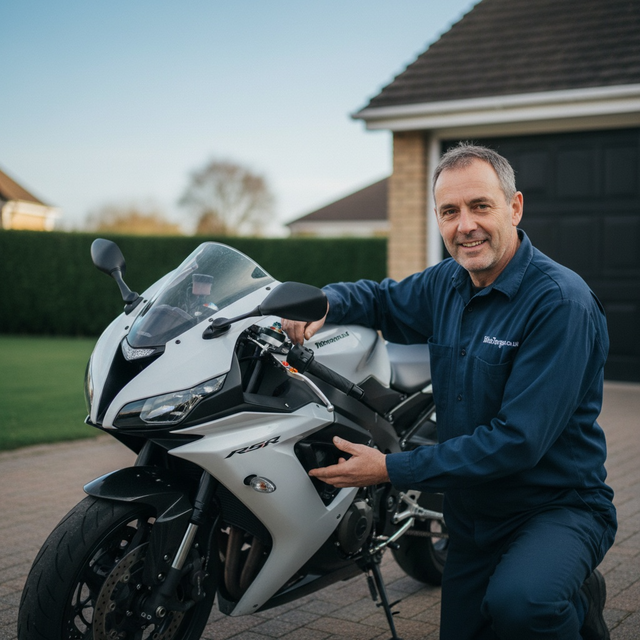
So, you've spotted your dream bike listed by a private seller – decent price, nice mods, maybe even a cheeky set of new tyres. But before you go handing over your hard-earned cash and riding off into the sunset, here’s what you need to know to make sure it’s not all revs and regrets.
1. Do Your Homework First
Before you even message the seller, it pays to do a bit of digging. Knowing what the bike should come with as standard, what common faults to look out for, and whether the asking price is in the right ballpark will help you spot a bargain – or a bodge. A bit of pre-checking now could save you a world of hassle (and cash) later.
- Research the model – Know what’s standard and what’s not.
- Check the going rate – Look across classifieds to get a feel for price ranges.
- Know your limits – Budget for insurance, tax, servicing, and gear.
2. Ask the Right Questions
Don't be shy about quizzing the seller. You’re not just buying a bike – you’re buying its story. Asking the right questions can reveal if it’s been looked after or just polished up for a quick sale. Honest answers build trust, and vague ones should ring alarm bells.
Before you view it, ask:
- Why are they selling it?
- How long have they had it?
- Any service history or past accidents?
- Are there any faults or quirks?
3. Get the Reg Number First
With just the reg number, you can unlock a load of useful info before even seeing the bike. MOT history, finance status, and write-offs can all be checked online. If the seller’s reluctant to share the reg up front, take that as a warning sign and walk away.
- MOT history: Use the Gov.uk MOT checker.
- HPI Check: Make sure it’s not stolen, written off, or under finance.
- VIN Check: Frame VIN should match the logbook and engine number.
4. Go and See It in Daylight
Night-time garage lighting hides a lot. Always view the bike in daylight and try to make sure the engine's cold when you arrive – it tells you a lot more about how it starts and runs. And let’s be honest, it’s easier to get excited about a bike when you can actually see it properly.
Inspect the bike in good light and make sure the engine is cold when you arrive. A warm engine might be hiding start-up issues.
5. What to Look (and Sniff) For
A good nose and a sharp eye are your best mates when inspecting a used bike. From oil leaks to chain wear, there are plenty of little clues that can show how well the bike’s been looked after – or not. Trust your senses: if something looks or smells off, it probably is.
- Leaks under the engine, shock, or brakes.
- Tyres – even wear, cracking, or squaring.
- Engine noise and smoke – listen and observe.
- Chain, sprockets, brake discs and pads.
- Steering and suspension – no clunks or notches.
6. Paperwork Matters
You can tell a lot about a bike by its paperwork trail. A full logbook, service stamps, and a stack of receipts show it's been cared for. No V5C? No deal. Don’t get caught out by “it’s in the post” or “I lost it last week” – paperwork is proof.
- V5C logbook: Check against the seller’s ID.
- Service history: Dealer stamps or receipts.
- Receipts for major work or parts.
- Spare keys and manuals: Always a bonus.
7. Test Ride? Only with Insurance
Everyone wants to take a bike for a spin before buying, and rightly so – but don’t risk it without checking your insurance first. If something goes wrong, you're liable. Always be clear with the seller, and don’t take offence if they say no – it’s their pride and joy, after all.
Make sure you’re insured. Leave ID and keys as security. If allowed, test clutch, gearbox, and brakes.
8. Don’t Feel Rushed
Take your time. If a seller’s pushing you to decide quickly, there’s usually a reason – and it’s rarely a good one. A well-looked-after bike and a genuine seller will stand up to scrutiny, so trust your gut and don’t let pressure steer the decision.
If the seller is pushy, take that as a warning sign. A good bike can handle a proper look-over.
9. Payment: Keep It Safe
When it’s time to pay, keep it clean and simple. Bank transfer is the safest option – quick, traceable, and less risky than walking around with a wad of cash. Always get a written receipt, even if it’s just on the back of an envelope.
- Use bank transfer for safety and traceability.
- Get a written receipt with details and “sold as seen”.
10. Got It Home? Give It a Once-Over
You’ve bought it – nice one! But don’t just jump on and pin the throttle. Give the bike a thorough once-over when you get home. Check fluids, pressures, and chain tension, and if in doubt, get it booked in for a service. Peace of mind makes every mile sweeter.
Check oil, coolant, tyre pressures, and book a service if in doubt. Then ride it gently to get a feel.
Final Thoughts
Buying from a private seller can be a brilliant way to find your perfect ride at the right price – just take your time, check the details, and ride away confident.
And if you're looking? You’re in the right place. Lid Life’s free classifieds are packed with real bikes from real riders – and plenty of banter to go with it.