How to Choose the Right Commuter Scooter or Motorcycle
Not all two-wheeled rides are created equal – especially when it comes to commuting. Whether you’re lane-splitting through city traffic or powering down the ring road with a rucksack full of Tupperware and tired dreams, picking the right commuter scooter or motorcycle can make the difference between a daily grind and a daily grin.
1. Know Your Commute
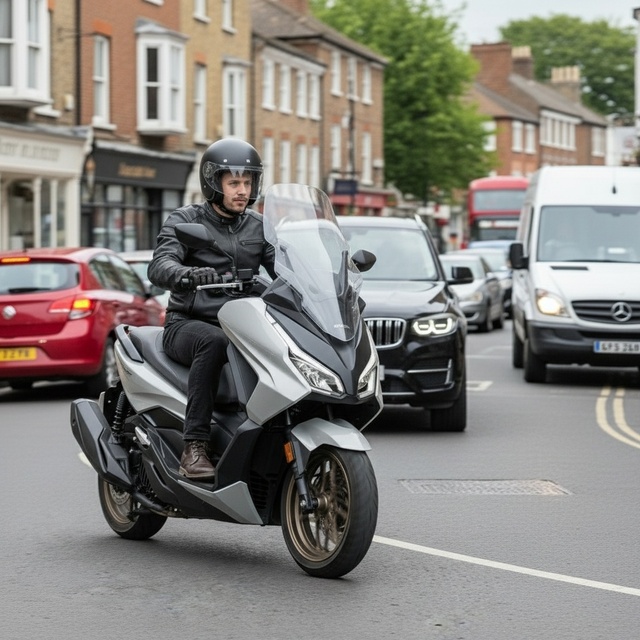
Start simple: what sort of roads are you tackling, and how far? Inner-city, short-distance hops? Scooters with smaller engines (125cc-300cc) are nimble, frugal, and ideal. Got a longer or mixed commute, with dual carriageways or motorways? A mid-sized motorcycle or maxi-scooter might make more sense.
Also worth considering: parking space, weather exposure, and whether you’re carrying a pillion or luggage. The more you carry, the more comfort and power you’ll want.
2. Engine Size & Type
- 50cc-125cc Scooters: Brilliant for city centres. Light, affordable, and often doable on a CBT.
- 300cc-400cc Scooters: Great all-rounders with motorway ability and plenty of under-seat storage.
- 500cc-700cc Motorcycles: Comfortable at higher speeds, with more long-term flexibility.
- Electric Options: Quiet, green, and low-maintenance-but still maturing in range and price.
3. Comfort vs Convenience
If you’re riding daily, don’t skimp on comfort. Scooters often win here with automatic gearboxes, step-through frames, and built-in storage. Motorcycles give more control and better performance at higher speeds, but usually demand a bit more from the rider – gear changes, chain maintenance, and a learning curve.
Test rides are your friend. A bike that looks great on paper might leave you squirming at every red light. Try before you commit.
4. Storage & Extras
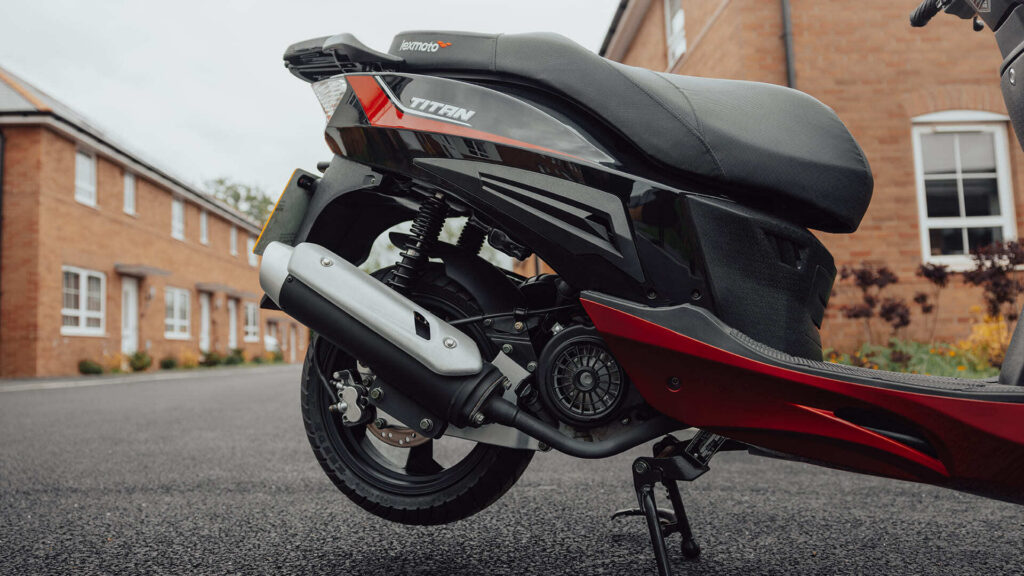
Do you need to stash a laptop bag, shopping, or your lid when parked? Under-seat storage, top boxes, and glove compartments are commuter gold. Most scooters have this nailed; many commuter bikes can be kitted out with panniers and luggage racks too.
Other extras to look for: USB charging, heated grips, a centre stand, and good weather protection. Trust us – your hands will thank you in February.
5. Fuel Economy & Running Costs
Commuter rides should be cheap to run. Scooters and smaller capacity bikes sip fuel – some topping 90 mpg with ease. Bigger bikes obviously cost more, but longer legs can make up for it.
Also factor in servicing, tyres, insurance, and road tax. Sometimes paying a bit more up front for a reliable machine saves big headaches later. Nobody likes hunting for spark plugs at 6am on a school run.
6. Licences & Learning
Make sure your licence matches the bike. CBT holders can ride up to 125cc (with L plates). Full licences open up the bigger stuff. And if you’re just starting out – no worries. We’ve all stalled at the lights once or twice (or, er, twenty times).
7. Real-World Tips from the Lid Life Crew
- “I commute 30 miles a day on a Honda PCX125. Bulletproof. Cheap as chips to run.”
- “Switched to a Yamaha Tracer 7. Bit overkill for town, but brilliant when the motorway opens up.”
- “Don’t overlook scooters. They’re not just for L-platers – my 350 keeps up with everything and I don’t need a rucksack anymore.”
Final Thoughts
Whatever your commute looks like—tight city sprints, soggy country lanes, or a bit of both – there’s a two-wheeled solution that’ll make it better. It’s not about flash – it’s about freedom. The right commuter bike gives you control, saves time, saves cash, and turns dull journeys into something worth riding for.
Welcome aboard – just mind the oil stains.