MotoGP 2027: When the Future Gets Two-Wheeled – Lid Life
MotoGP 2027: When the Future Gets Two-Wheeled
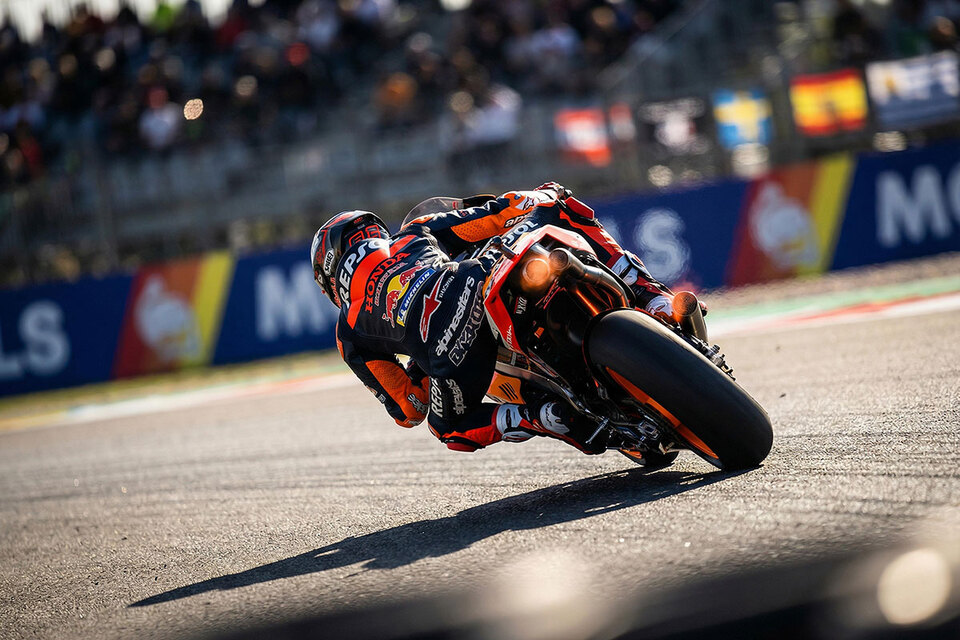
Alright, fellow throttle-twisters, strap on your helmets and prepare for peak drama – because by 2027, MotoGP is getting a full makeover. Gone are the 1000cc monsters we’ve loved (and feared); in steps a new breed of 850cc beasts aimed not just at more overtaking, but at being kinder to the planet, safer for riders – and yes – still nail-bitingly spectacular.
The Big Changes – What’s New?
- Smaller engines, same fire: The move from 1000cc down to 850cc (with bore shrinking from 81 mm to 75 mm) is designed to reduce top speeds for safety, increase fuel efficiency and make the machines more “road-relevant.”
- Fewer engines per rider: For an extra dose of cost-control and fairness, each rider will be limited to six engines per season, down from seven.
- Green fuel, same adrenaline: From 2027, all bikes will run on 100% sustainable fuel (up from 40% in 2024). Fuel tanks shrink slightly too – from 22 L to 20 L – and sprint races will have an 11 L allowance.
- Aero under a tighter leash: Front fairings will be 50 mm narrower and have their noses pushed back by 50 mm. Aerodynamic appendages will also be homologated annually, limiting the aero arms race and – crucially – boosting overtakes.
- No more ride-height or holeshot devices: That’s right – these gizmos are banned. Starts and launches will be down to rider skill, not engineering wizardry.
- Sharing is (almost) caring – GPS data for all: After each session, GPS data from every rider will be shared with all teams. That levels the playing field, helps smaller squads develop faster – and gives us fans more data to dissect over our beers.
- Concessions stay – but reset: Every manufacturer starts 2027 as “Rank B.” Mid-season reviews will shuffle the hierarchy depending on performance, keeping the grid competitive and unpredictable.
Why the shake-up? (Beyond the press release.)
On the face of it, these changes – smaller engines, sustainable fuel, stripped aerodynamics – might seem like they’ll tame the wild spirit of MotoGP. But the real aim (aside from making sure our planet hasn’t melted by 2030) is to put more emphasis on what really thrills us: close racing, gutsy overtakes, and raw rider skill. According to the new rulebook, safety and sustainability are not trade-offs – they’re part of the same mission.
Plus, with data-sharing and controlled costs, there’s hope for a more level playing field – which might mean fewer seasons dominated by a single brand, and more seasons where underdogs bite back. Could be good news for fans who like surprises (looking at you, remember-when-that-rookie-won-from-last-place-on-the-grid-to-full-podium fans).
But – there’s a catch (or two)
Some in the paddock are already scratching their helmets. While the regulations aim to reduce speeds and danger, sceptics argue that “safer” doesn’t automatically mean “safe enough” – especially when riders still throw themselves into turn 1 at 150 mph.
And while sustainability is noble, purists worry if running on greener fuel and policing aero might strip away some of the brute mechanical poetry that makes MotoGP’s thunder so addictive. Will it still feel like the last frontier of two-wheel speed, or more like … a well-behaved Sunday ride in a leather jacket? Only time – and throttle position – will tell.
So… What should we expect by 2027?
If all goes to plan: closer races, more overtakes, tougher competition – and maybe an era where “shock wins” are common again. We might see underdog teams punching above their weight. We could get a renaissance of gritty, skill-driven racing that even your grandad (or that one uncle who still owns a Harley) might cheer for. And with sustainability front and centre, MotoGP might just prove that fast & furious doesn’t have to mean fossil-foolish.
From the viewpoints of a lifelong biker – and a bit of a prankster – I say: bring it on. Let’s raise our visors to 2027. May the tyres be sticky, the passes daring – and the planet still standing.
Ride hard, ride smart, ride Torque.